

Quick answer
Dolphin watching operates year-round on the Tagus River, with the highest success rates between April and October when warmer water temperatures draw common dolphins closer to the estuary mouth. Winter months from November through March still offer sightings, though pods tend to range farther offshore and calmer morning windows narrow. Tours depart daily from 09:30 to 12:30, with guided excursions typically priced from 48 EUR per person including a marine biologist.
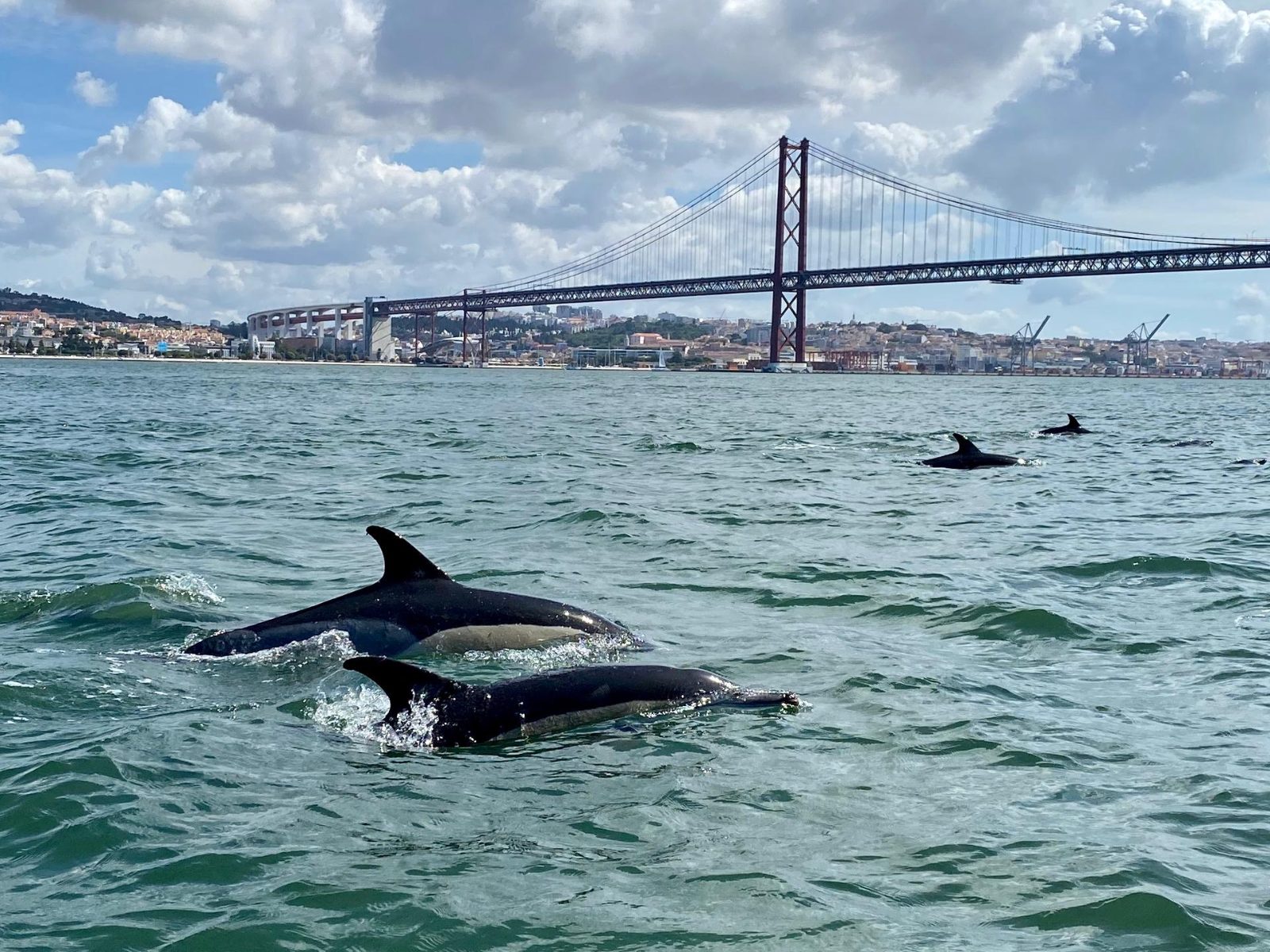
Three resident pods of common dolphins—totaling approximately 30 individuals—patrol the Tagus estuary in observable patterns tied to prey fish movements and tidal cycles. The lisbon dolphin watching season technically spans all twelve months, but behavioral studies conducted by the University of Lisbon's marine biology department since 2019 reveal a pronounced seasonal arc in both sighting frequency and proximity to shore. Spring and summer bring the clearest advantage. As Atlantic water temperatures climb above 16°C in April, sardine and mackerel schools migrate into the estuary in greater density, pulling dolphin pods into the shallower feeding grounds between Belém and the Vasco da Gama Bridge. Sighting rates during these months exceed 85 percent across commercial operators, with encounters often occurring within twenty minutes of departure from Doca de Santo Amaro in Alcântara. Calmer wind patterns and longer daylight further improve visibility and photographability through September. Autumn transitions gradually. October sustains reliable sightings as water temperatures remain favorable, but November introduces the first Atlantic storm systems that roughen surface conditions and push prey species—and their predators—into deeper channels. Winter dolphin watching in Lisbon remains viable but demands adjusted expectations: pods range farther from traditional routes, requiring longer search windows, and sea states can cancel departures on short notice. The marine biologists aboard guided tours compensate with hydrophone equipment that tracks echolocation clicks when visual contact proves elusive. The practical rhythm centers on morning departures. Tagus tidal patterns create feeding windows that peak before midday, aligning with the 09:30–12:30 operational schedule observed by research-focused operators. Afternoon excursions exist but face diminished odds as pods disperse post-feeding and afternoon winds intensify off the Atlantic. Visitors booking outside the April-to-October corridor should treat dolphin encounters as probable rather than guaranteed, weighing the trade-off between lower summer crowds and reduced marine activity. The estuary's resident status means no month is void of possibility—winter sightings simply require more patience and sea time.
“Spring and summer pull dolphin pods into shallower feeding grounds between Belém and the Vasco da Gama Bridge, where sighting rates exceed 85 percent.”
Understanding the Lisbon Dolphin Watching Season
Dolphin sightings around the Tagus River and Atlantic coast are possible throughout the year, with spring and summer months offering the most consistent marine conditions. Planning your trip during the morning arrival window of 09:30–12:30 provides the calmest waters and the highest probability of successful sightings.
Spring (March–May)
Moderate crowdsMild, 15°C–22°C; calm seas
Increased marine activity follows winter with stable weather patterns.
Summer (June–August)
Peak crowdsWarm, 25°C–30°C; clear visibility
High frequency of sightings due to calm Atlantic waters.
Autumn (September–November)
Low crowdsCooling, 18°C–24°C; variable winds
Sea conditions remain favorable for excursions as temperatures begin to drop.
Morning Window
Lowest crowds—
The 09:30–12:30 period offers the most stable water conditions of the day.
Verdict: The best opportunity for dolphin watching occurs between April and September, prioritizing the 09:30–12:30 arrival window for optimal water conditions.
Lisbon Dolphin Watching Season Daily Operating Hours
Dolphin watching tours operate on a consistent daily schedule from the Doca de Santo Amaro. The morning window remains the standard timeframe for departures throughout the season.
| monday | 09:30–12:30 | |
|---|---|---|
| tuesday | 09:30–12:30 | |
| wednesday | 09:30–12:30 | |
| thursday | 09:30–12:30 | |
| friday | 09:30–12:30 | |
| saturday | 09:30–12:30 | |
| sunday | 09:30–12:30 |
Reaching Your Lisbon Dolphin Watching Season Departure Point
Dolphin watching departures are located at Doca de Santo Amaro in Alcântara, situated along the Tagus River waterfront. The area is well-connected to central Lisbon via public transport and road networks.
Cascais Line from Cais do Sodré to Alcântara-Mar station
Line 15E to Estação de Santo Amaro
Carris line 728 to Alcântara
Direct from central Lisbon
Pre-Visit Checklist for Your Lisbon Dolphin Watching Season Trip
Prepare for your dolphin watching trip with these essential steps and items.
-
Book your tour in advance — Tours fill quickly during peak season and advance booking guarantees your preferred date.
-
Check the weather forecast — Calmer conditions improve sighting success and passenger comfort on the water.
-
Bring sunscreen and a hat — Sun exposure on the river can be intense even during cooler months.
-
Wear non-slip footwear — Boat decks can become wet and slippery during the tour.
-
Pack a light waterproof jacket — Spray from the boat and sudden weather changes are common on the Tagus.
-
Bring binoculars if available — Enhanced viewing helps spot dolphins at greater distances across the water.
-
Arrive 15 minutes early — This allows time for check-in procedures and safety briefings before departure.
Check availability
Frequently Asked Questions About Lisbon Dolphin Watching Season
Everything you need to know about lisbon dolphin watching season