

Quick answer
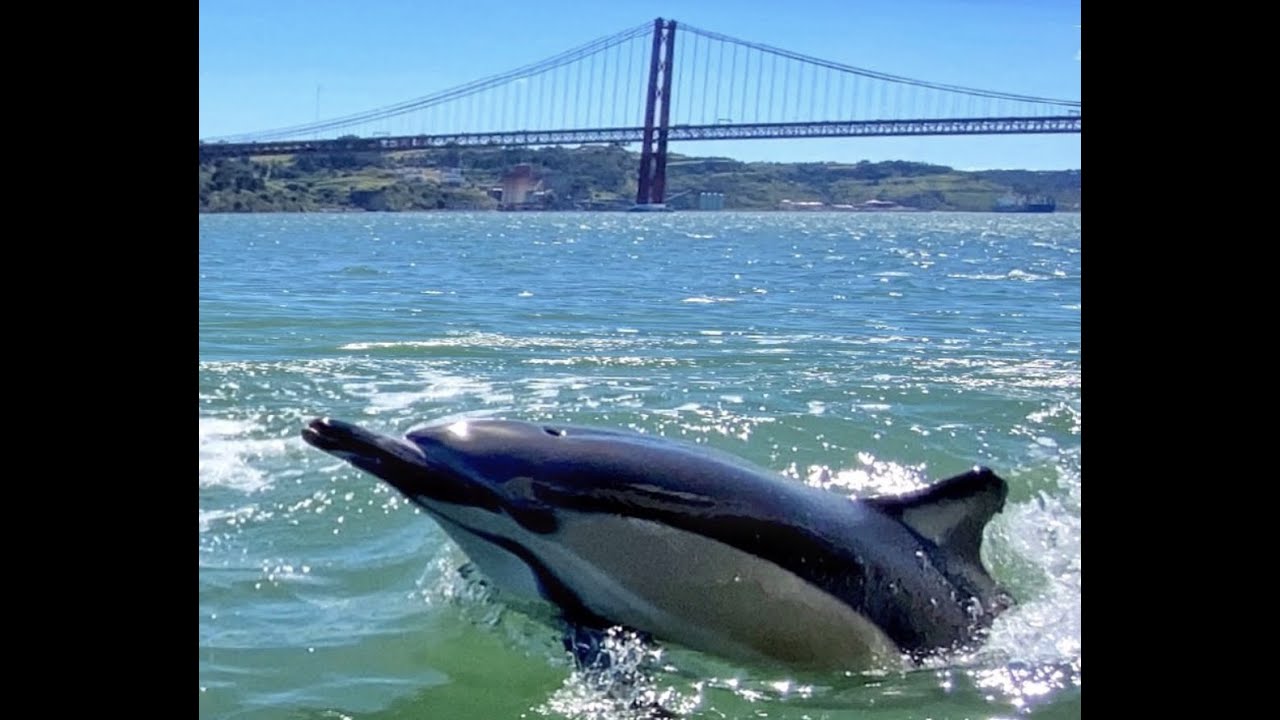
Yes, bottlenose dolphins inhabit the Tagus estuary near Lisbon throughout the year, with common dolphins occasionally entering during winter months when Atlantic storms push fish stocks closer to shore. Sightings occur most reliably between April and October when calmer conditions and warmer water temperatures bring dolphins into the shallower feeding zones. Morning tours departing between 09:30 and 12:00 offer the highest success rates, as estuarine currents stabilize after dawn and marine activity peaks before midday heat.
A resident pod of roughly 28 bottlenose dolphins patrols the Tagus estuary's outer channels, feeding on mullet, sea bass, and European pilchard that concentrate near the river's confluence with the Atlantic. These cetaceans adapted to the estuary's unique conditions over decades, tolerating salinity gradients that would deter oceanic pods and navigating shipping lanes that bisect their hunting grounds. Common dolphins venture into the estuary less predictably. Winter storms displace pelagic fish schools, driving both prey and predators toward coastal shelter. Between December and March, small groups of common dolphins trail sardine runs through the estuary mouth, staying only days before returning to deeper Atlantic waters. Local researchers document these visits through photo-identification, tracking dorsal fin patterns to distinguish transient individuals from the resident bottlenose population. Dolphin presence in Portuguese waters reflects broader marine biodiversity along the Iberian coast. The Tagus functions as a nursery habitat for juvenile fish, which in turn sustains foraging dolphins, seabirds, and seasonal migrants like short-beaked common dolphins. Water quality improvements since the 1990s expanded prey availability, allowing the resident pod to stabilize after decades of decline linked to industrial pollution and overfishing. Private dolphin watching departs from docks along the Belém waterfront and Cais do Sodré. Tours last two to three hours, covering the estuary's western sector where sightings concentrate. Operators follow Portuguese maritime wildlife regulations, maintaining 100-meter distances and limiting engine noise near pods. No public ferry routes guarantee dolphin encounters; dedicated wildlife vessels adjust courses based on real-time spotter reports and tidal patterns that influence dolphin movement through the channels.
“A resident pod of roughly 28 bottlenose dolphins patrols the Tagus estuary's outer channels, feeding on mullet, sea bass, and European pilchard that concentrate near the river's confluence with the Atlantic.”
Are There Dolphins In Portugal: Understanding the Tagus Estuary Wildlife
Dolphins are a natural part of the marine ecosystem in the Tagus Estuary and the adjacent Atlantic coastal waters of Lisbon. As wild animals, their presence depends on environmental conditions and seasonal migration patterns.
Common species observed
The most frequently sighted species in the Lisbon coastal area include the common dolphin (Delphinus delphis) and the bottlenose dolphin (Tursiops truncatus).
Tagus Estuary ecosystem
The estuary functions as an important habitat, providing nutrients and shelter that attract various marine life, including pods of dolphins moving between the river mouth and the ocean.
Wild animal behavior
Dolphin movements are influenced by water temperature, prey availability, and tidal cycles, meaning sightings are never guaranteed during any given excursion.
Conservation and protection
The Portuguese waters are subject to strict maritime regulations designed to protect marine mammals and ensure that observation activities do not disturb their natural behavior.
Environmental impact
Water quality and protection efforts in the Tagus Estuary directly impact the ability of these mammals to thrive in the region near Lisbon.
Regional biodiversity
Beyond dolphins, the Tagus Estuary is a critical zone for diverse marine biodiversity, serving as a transit point for various migratory species.
When To See Dolphins In Portugal: Best Morning Arrival Windows
The best arrival window for wildlife spotting on the Tagus River is 09:30–12:00. Morning tours generally offer calmer sea conditions and better light for wildlife spotting.
Weekday mornings
Low crowd density—
Morning departures provide optimal visibility and favorable sea states for dolphin sightings.
Weekend mornings
Moderate crowd density—
High demand makes early booking essential for these preferred morning time slots.
Shoulder Season (Apr/Oct)
Low to moderateMild, 15-22°C
Stable weather patterns during these months improve the consistency of dolphin observation tours.
Verdict: The most favorable window for dolphin watching is weekday mornings between 09:30 and 12:00 during the shoulder months of April or October.
Daily Schedules For Tours Where You Can Find Dolphins In Portugal
Tours departing from the Tagus Estuary to observe dolphins in Portugal operate on a consistent daily schedule.
| Monday | 09:30–18:30 | |
|---|---|---|
| Tuesday | 09:30–18:30 | |
| Wednesday | 09:30–18:30 | |
| Thursday | 09:30–18:30 | |
| Friday | 09:30–18:30 | |
| Saturday | 09:30–18:30 | |
| Sunday | 09:30–18:30 |
Understanding Costs To See Dolphins In Portugal: Fees And Access
Access to the Tagus Estuary is open to the public without an entrance fee. Professional dolphin watching requires booking a private tour.
The river itself is free to access, while the final cost depends entirely on the private tour operator selected for the excursion.
How To Reach The Tagus Estuary To See If There Are Dolphins In Portugal
The Tagus Estuary is located along the Lisbon waterfront, serving as the primary departure point for wildlife excursions. The area is most easily accessed via public transport links connecting central Lisbon to the Parque das Nações district.
Red Line (Linha Vermelha) to Oriente Station
Azambuja Line to Oriente Station
Carris bus routes 728, 744, or 782 to Oriente
Direct to Tagus Estuary/Parque das Nações
Pre-Visit Checklist For Those Searching For Dolphins In Portugal
Dolphin watching in the Tagus requires advance booking with a licensed operator and weather-appropriate preparation.
-
Book your tour in advance — Private operators require confirmed reservations, especially during peak season.
-
Confirm departure time and meeting point — Tours launch from different docks along the estuary; verify exact location with your operator.
-
Bring layered, waterproof clothing — Wind and spray are common on the water, even during warm months.
-
Pack sun protection and binoculars — Open water offers little shade, and binoculars improve wildlife observation.
-
Arrive 15–20 minutes early — Boats depart on schedule and cannot wait for late passengers.
-
Check weather conditions the day before — Rough seas may lead to tour cancellations or rescheduling.
Check availability
Common Questions: Are There Dolphins in Portugal?
Everything you need to know about are there dolphins in portugal