3 hr
Dolphin Watching Tour with Marine Biologist
- Entry ticket
- Mobile voucher
- Valid same day
- Free cancellation
Lisbon Dolphin Watching with Marine Biologist — Expert-Led Safaris
Track resident bottlenose pods, decode behavior in real time
Compare fares, pick the fit — all bookings are mobile-voucher and eligible for free cancellation where shown.
3 hr
3 hr
7 hr
Selecting the right lisbon dolphin watching with marine biologist experience allows you to choose between standard small-group access or private charter options for a more personalized Tagus River adventure.
|
Top pick Small Group Tour Shared Experience |
Private Charter Exclusive Vessel | |
|---|---|---|
| Price | 52 EUR per adult | Contact operator for rates |
| Duration | 3 hours | 3 hours |
| Capacity | Up to 15-18 persons | Exclusive group access |
| Marine Biologist | Included | Included |
| Best for | First-time visitors | Private groups or families |
| See tickets & prices |
Verdict: For the most comprehensive experience, we recommend booking the lisbon dolphin watching with marine biologist tour as a small group to balance value and expert engagement.
Worth it for nature enthusiasts seeking expertise
Lisbon dolphin watching with marine biologist tours justify their 52 EUR price point through specialized knowledge standard boat trips cannot match. A marine biologist onboard provides real-time species identification, behavioral insights into bottlenose dolphins and common dolphins inhabiting the Tagus estuary, and context about conservation challenges facing these cetacean populations. The educational layer transforms what could be passive wildlife viewing into an interpretive experience grounded in marine biology and ecology. Standard dolphin tours charge 35-40 EUR for sightings alone; the 12-17 EUR premium buys expertise that connects observation to broader ecological patterns. The Tagus estuary supports resident dolphin pods year-round, and biologist-led tours emphasize responsible wildlife observation protocols that minimize disturbance. For visitors prioritizing learning over casual sightseeing, the specialized commentary and conservation focus deliver measurable value. Casual tourists satisfied with spotting dolphins from a distance will find cheaper alternatives adequate, but those wanting to understand what they are seeing—feeding strategies, social structures, habitat pressures—will find the marine biologist's presence essential rather than ornamental.
Bottom line: The marine biologist transforms dolphin watching from entertainment into education—worth the premium if you value understanding cetacean ecology over simply checking off a sighting.
They complement each other; most visitors who do both call the ocean-based Sesimbra trip more thrilling for sightings, while the Tagus River experience offers deeper educational context via lisbon dolphin watching with marine biologist tours.
|
Top pick Tagus River Tour |
Sesimbra Tour | |
|---|---|---|
| Habitat | Tagus River estuary | Atlantic Ocean open sea |
| Species Observed | Bottlenose and common dolphins | Bottlenose and common dolphins |
| Travel Time from Lisbon | 0 minutes (in city) | 45 minutes by car |
| Coastal Scenery | Lisbon landmarks and bridges | Arrábida cliffs and sea caves |
| Sea Conditions | Calm protected waters | Potentially choppy open water |
| Vessel Type | Conservation research boat | Rigid Inflatable Boat (RIB) |
| Expertise | Scientific interpretation | Standard guide commentary |
| See tickets & prices |
Verdict: Choose the lisbon dolphin watching with marine biologist tour for a calm, educational journey through historical waters, or select Sesimbra for a high-energy adventure in open-ocean habitats to acquire your lisbon dolphin watching with marine biologist tickets for the most variety.
Hand-picked experiences loved by thousands of travelers
2.5 hours
Free Cancellation
Explore Lisbon's coastal ecosystem aboard a RIB boat with expert marine biologists guiding your journey.
3 hours
Free Cancellation
Explore Western Europe's largest estuary and witness thousands of migratory birds in their natural habitat.
1.5 hours
Free Cancellation
Glide along Lisbon's waterfront on a relaxing 1.5-hour boat tour with drink included and panoramic city views
2 to 4 hours
Free Cancellation
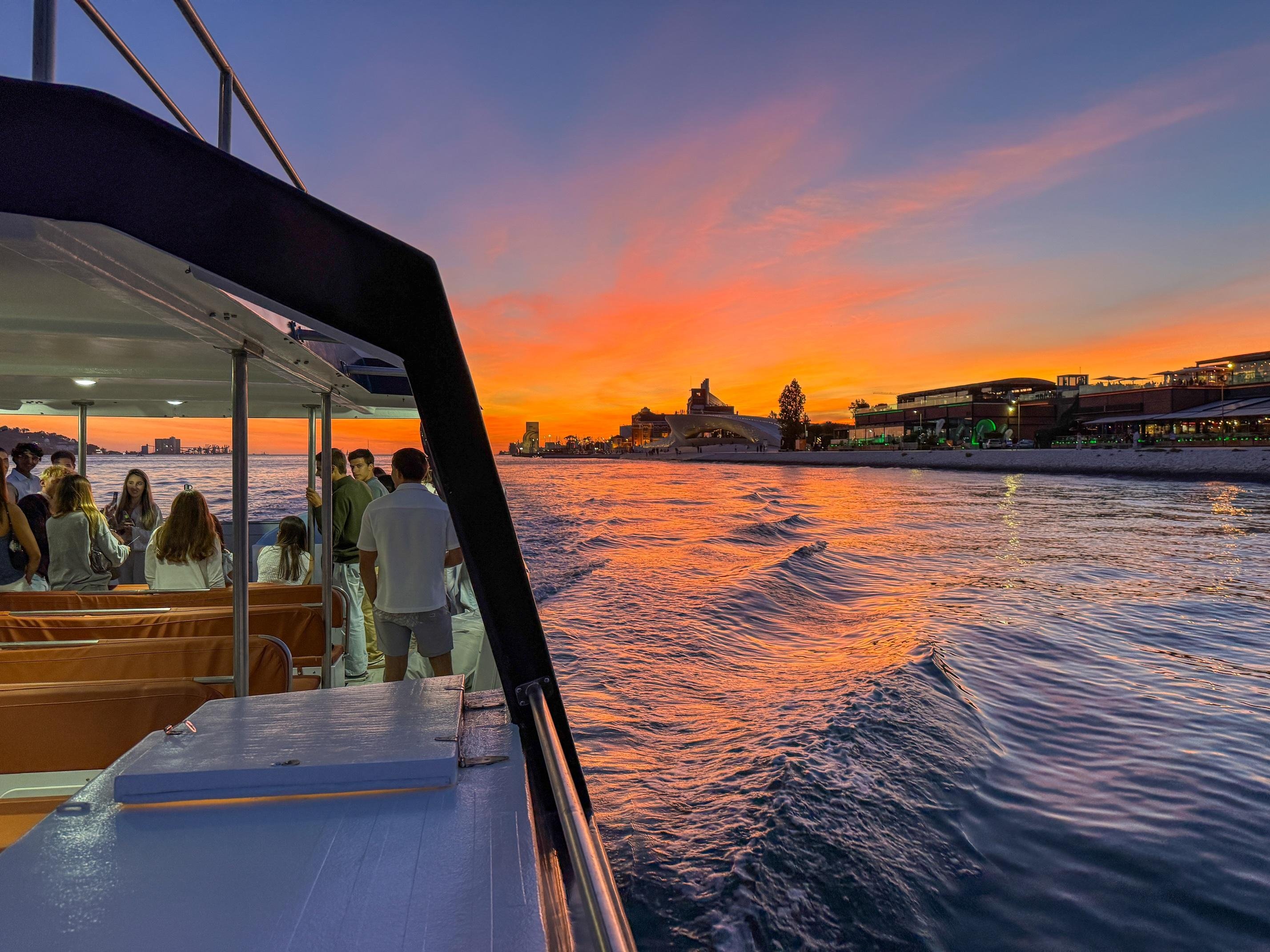
Dance along Lisbon's waterfront as the sun sets, with unlimited drinks and live DJ beats aboard a river cruise.
2 hours
Free Cancellation
Sail past Lisbon's iconic waterfront landmarks on a scenic two-hour cruise with drinks and snacks included
1.5 hours
Free Cancellation
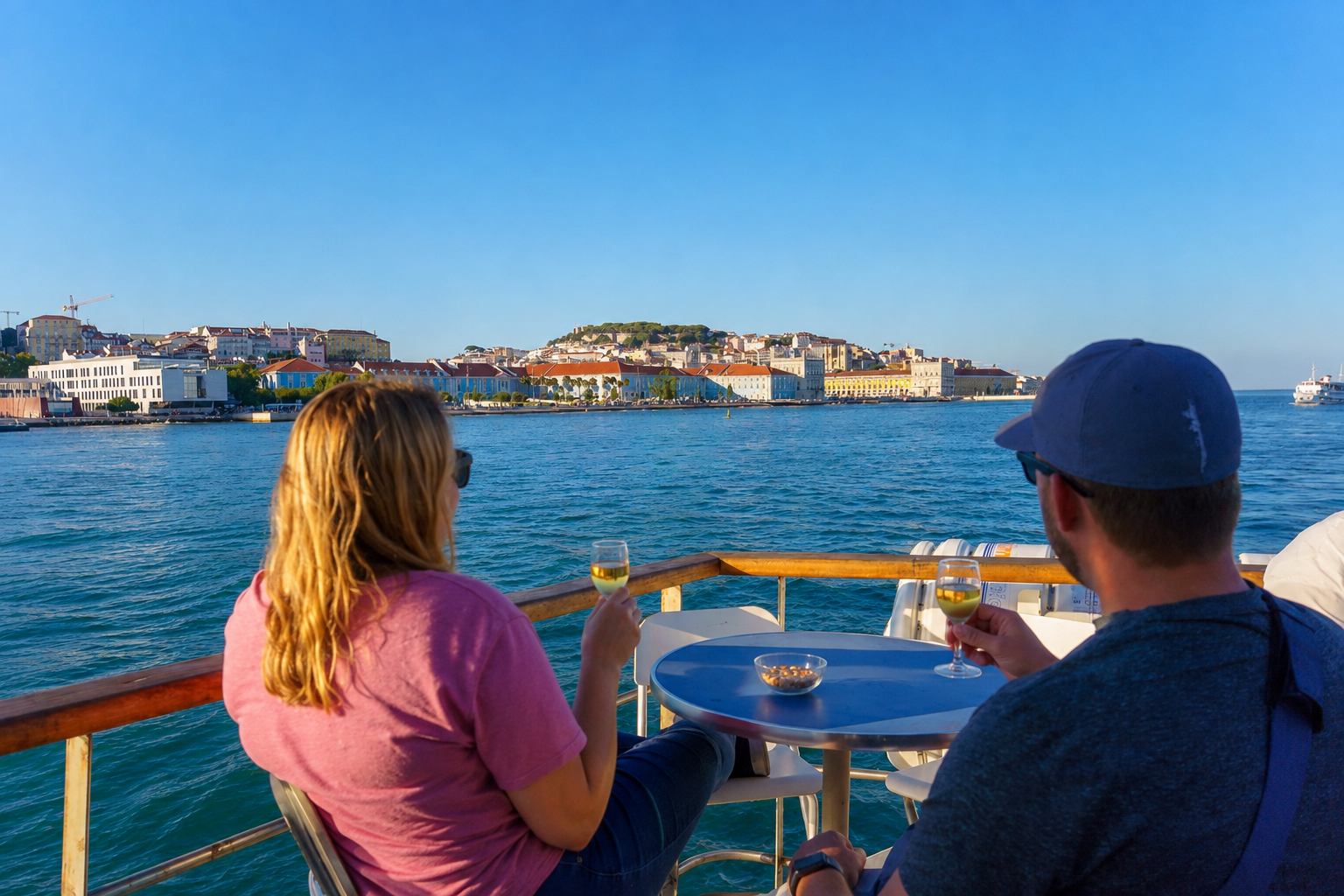
Watch Lisbon glow at sunset from the water while sipping Portuguese wine on an intimate river voyage
80 minutes
Free Cancellation
Sail the Tagus at dusk with a welcome drink, live music, and views of Belém Tower and the 25 April Bridge.
3 hours
Free Cancellation
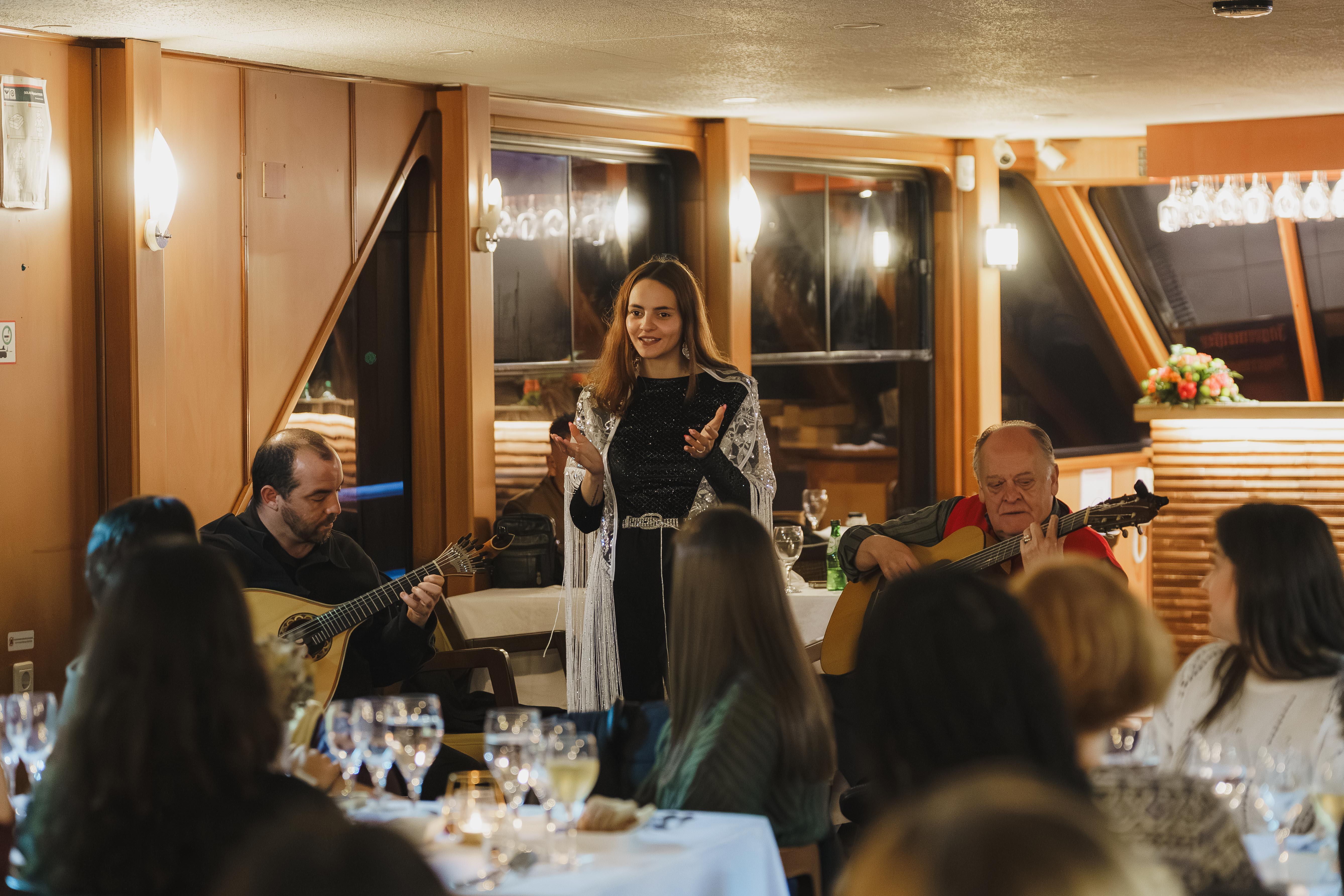
Three-hour river journey combining authentic Portuguese dining, live Fado music, and stunning city views
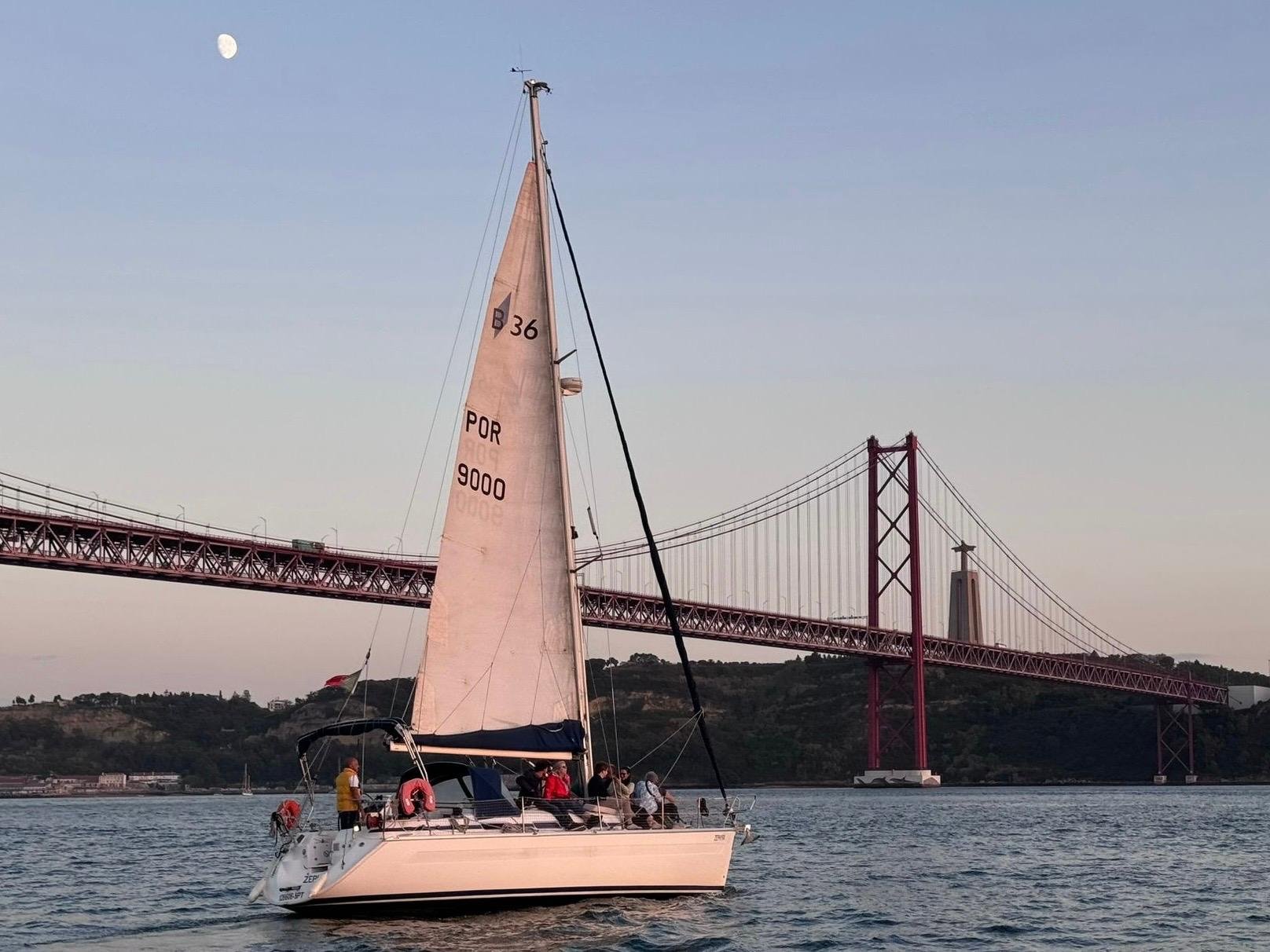
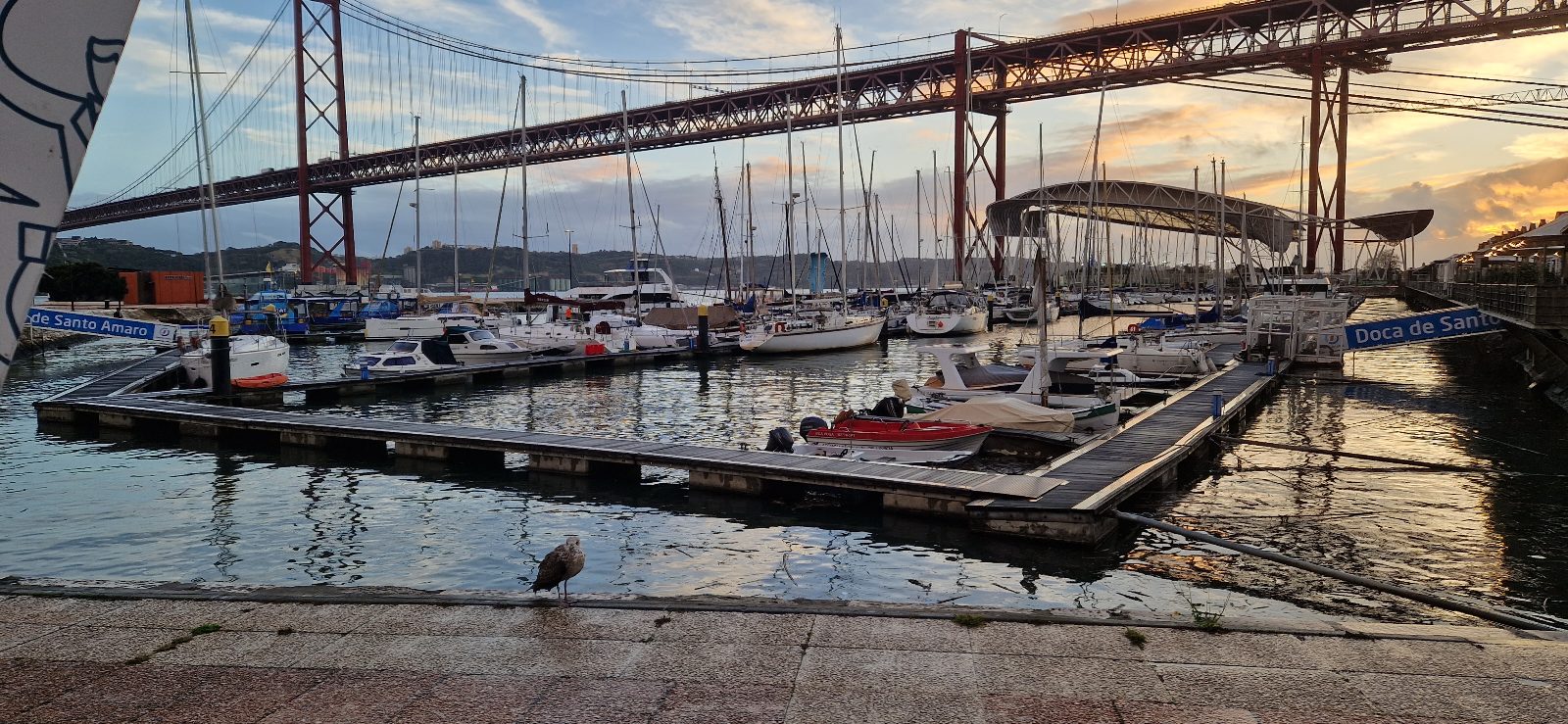
View this massive suspension bridge from the water as you begin your lisbon dolphin watching with marine biologist tour.
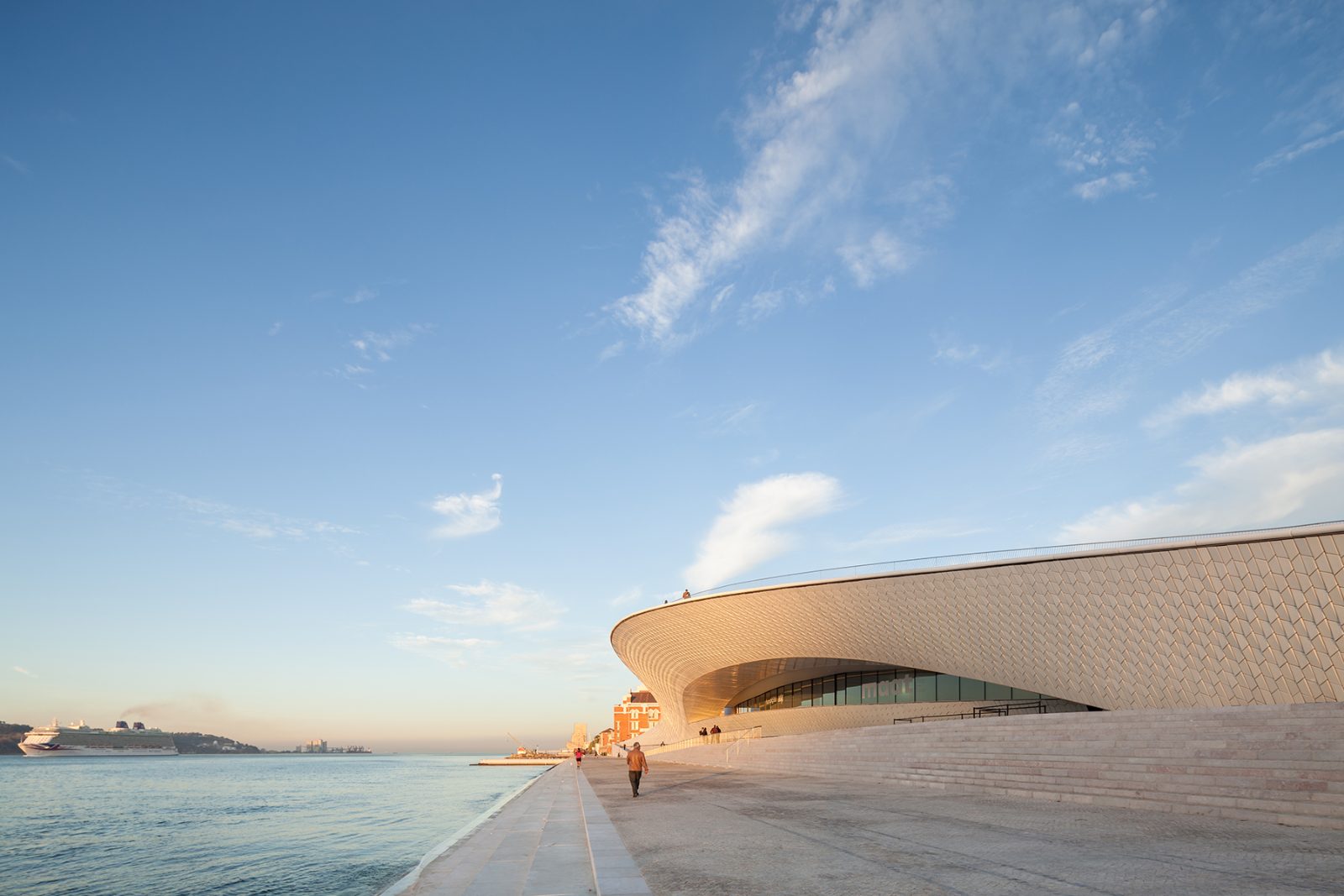
Pass this iconic architectural landmark known for its unique curving structure during your lisbon dolphin watching with marine biologist trip.
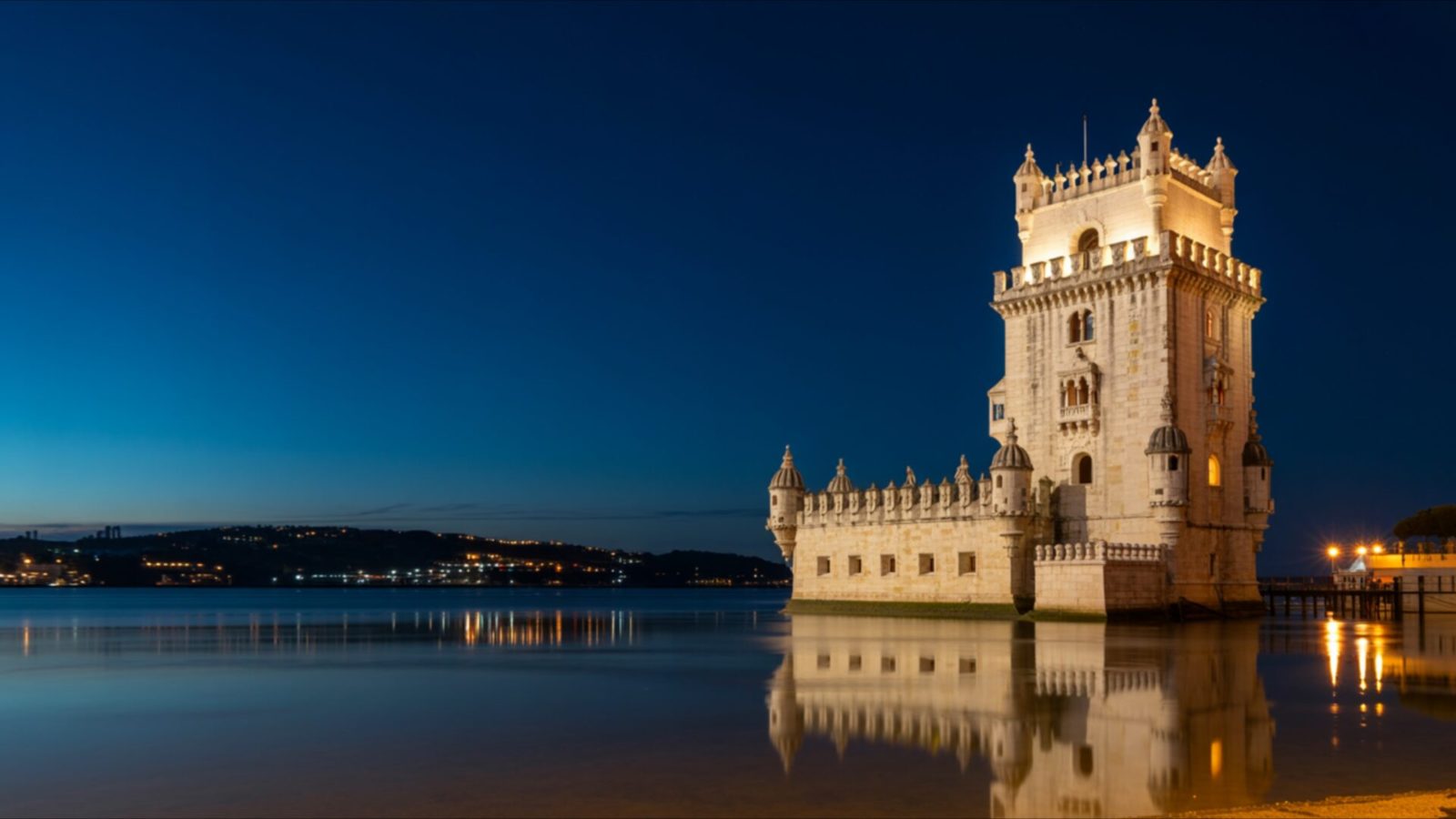
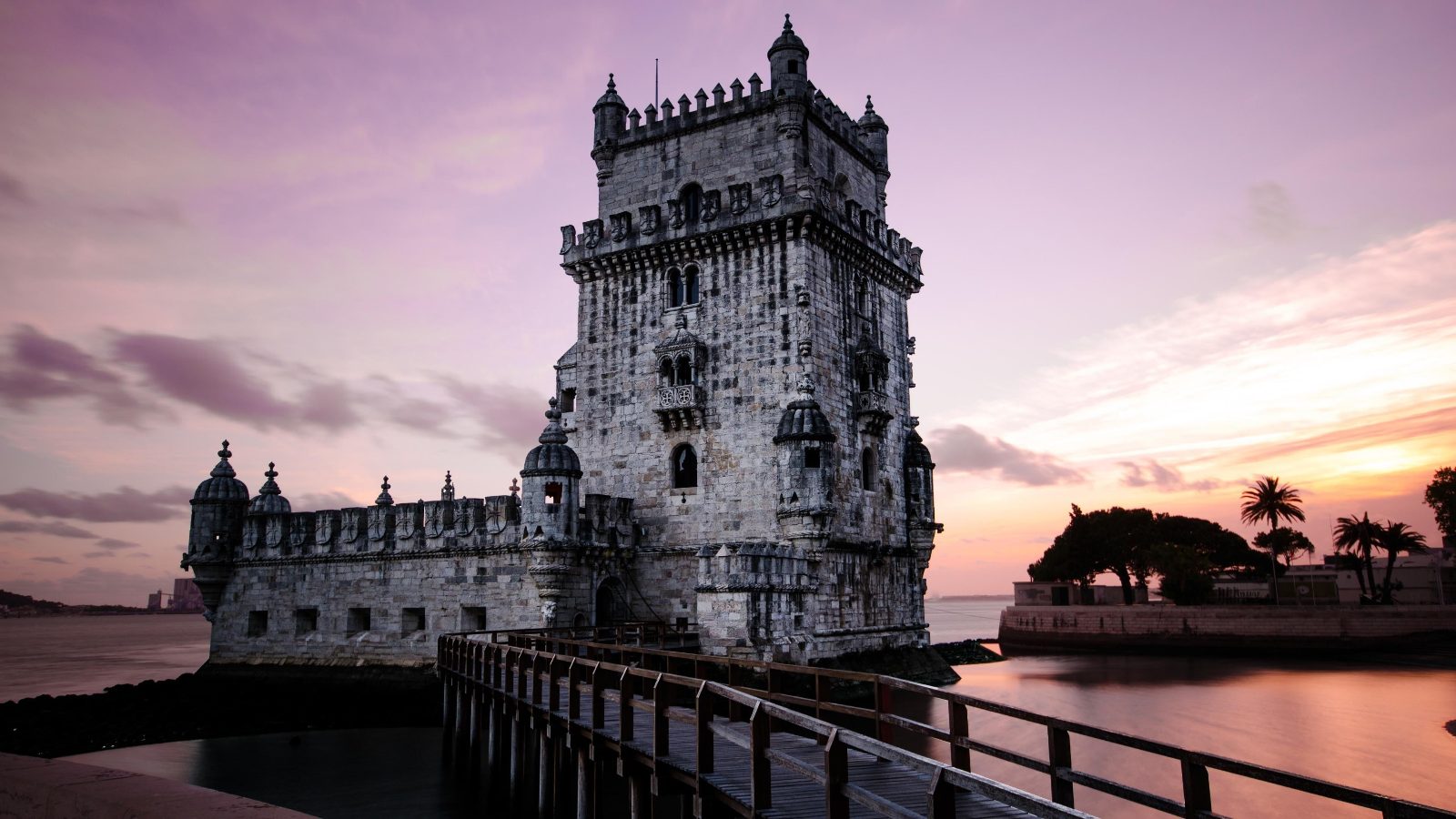
Observe this UNESCO World Heritage site from the river during your lisbon dolphin watching with marine biologist expedition.
Relax at this facility at Doca de Santo Amaro before your lisbon dolphin watching with marine biologist tour begins.
You board at Doca de Santo Amaro, where the biologist briefs the group on the day's target species and recent sightings logged in the research database.
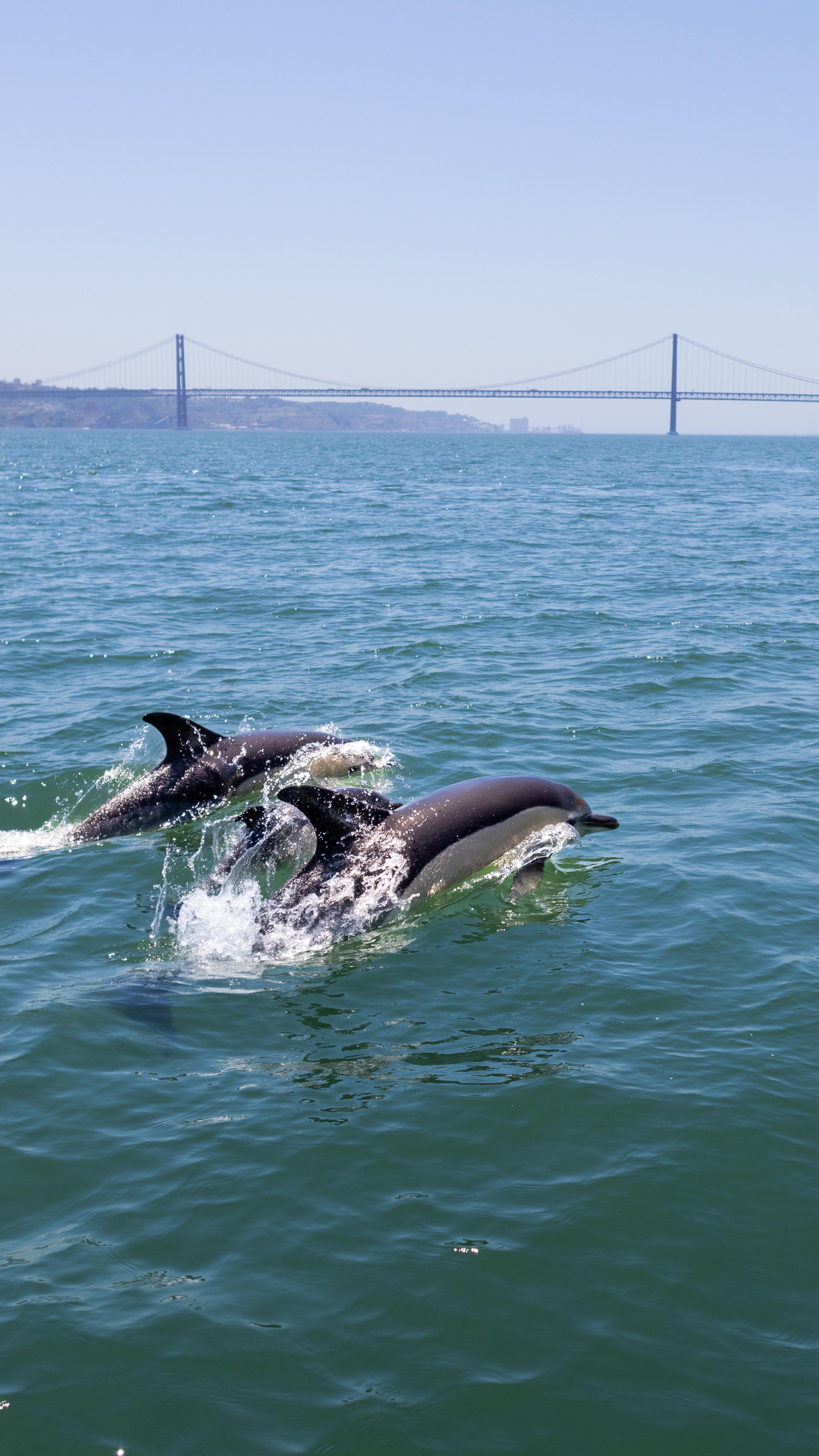
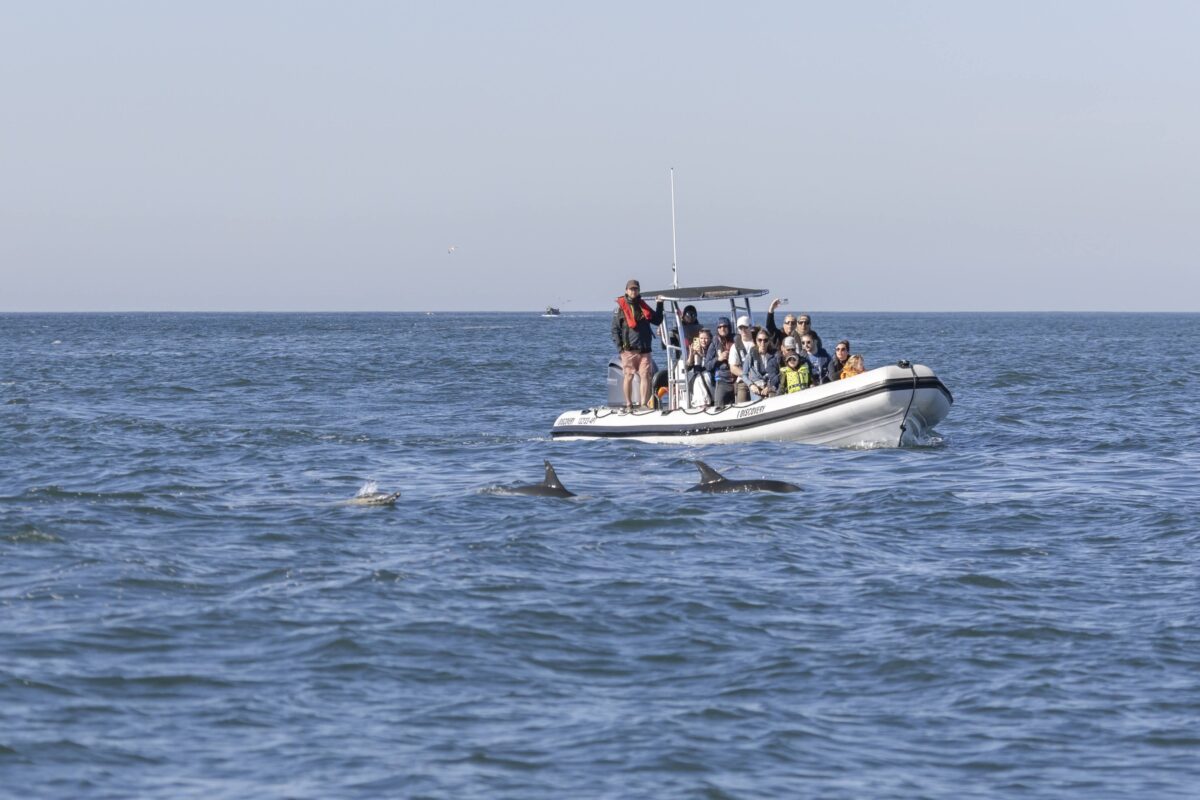
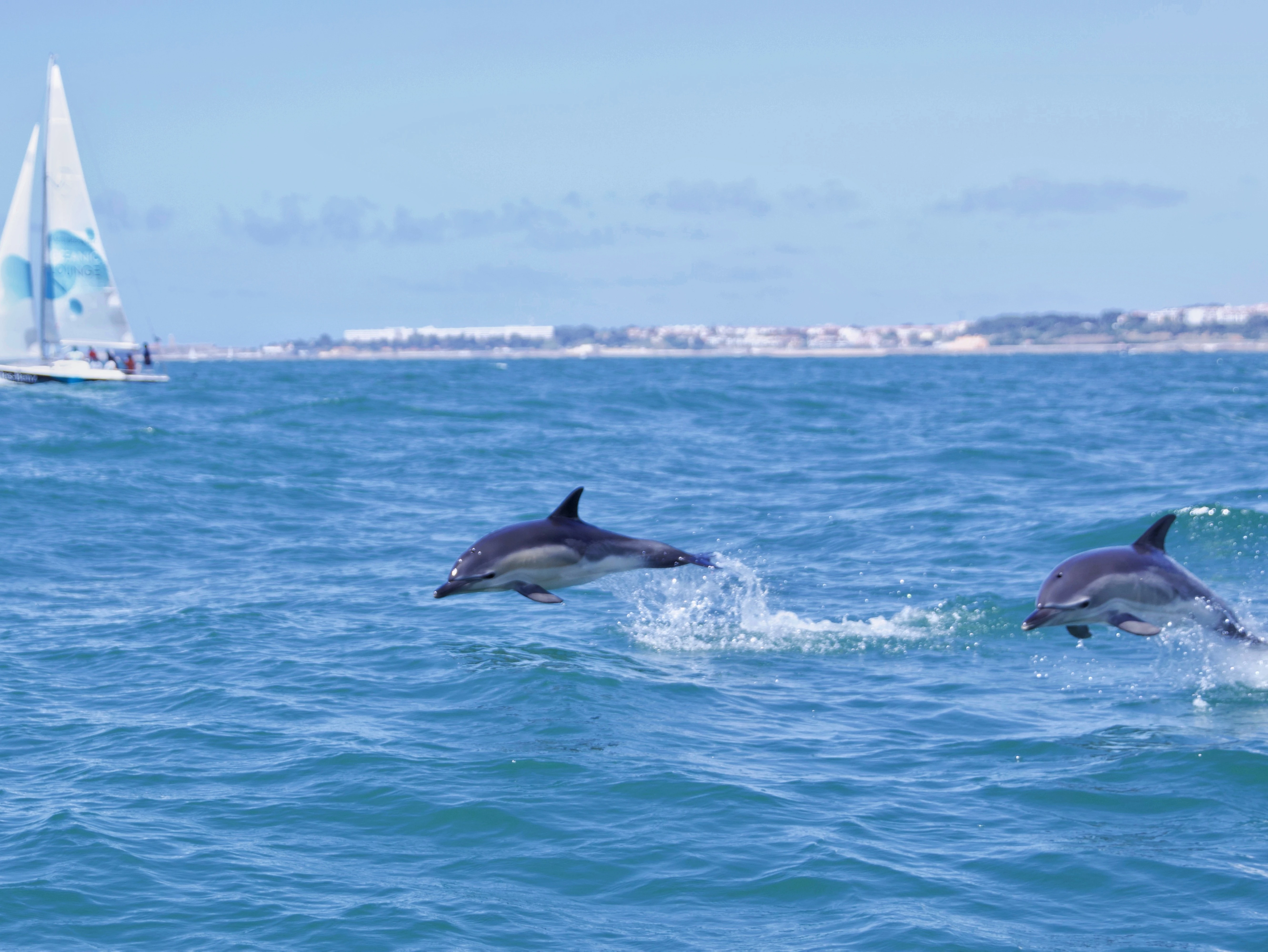
The vessel clears the marina and moves west along the Belém waterfront, passing the Torre and the Monument to the Discoveries as the guide explains the estuary's salinity gradient and its effect on dolphin distribution. Within 20 minutes, the boat slows near Cais do Sodré; a pod of three bottlenose dolphins surfaces 40 meters off the port bow, their exhalations audible in the morning stillness.
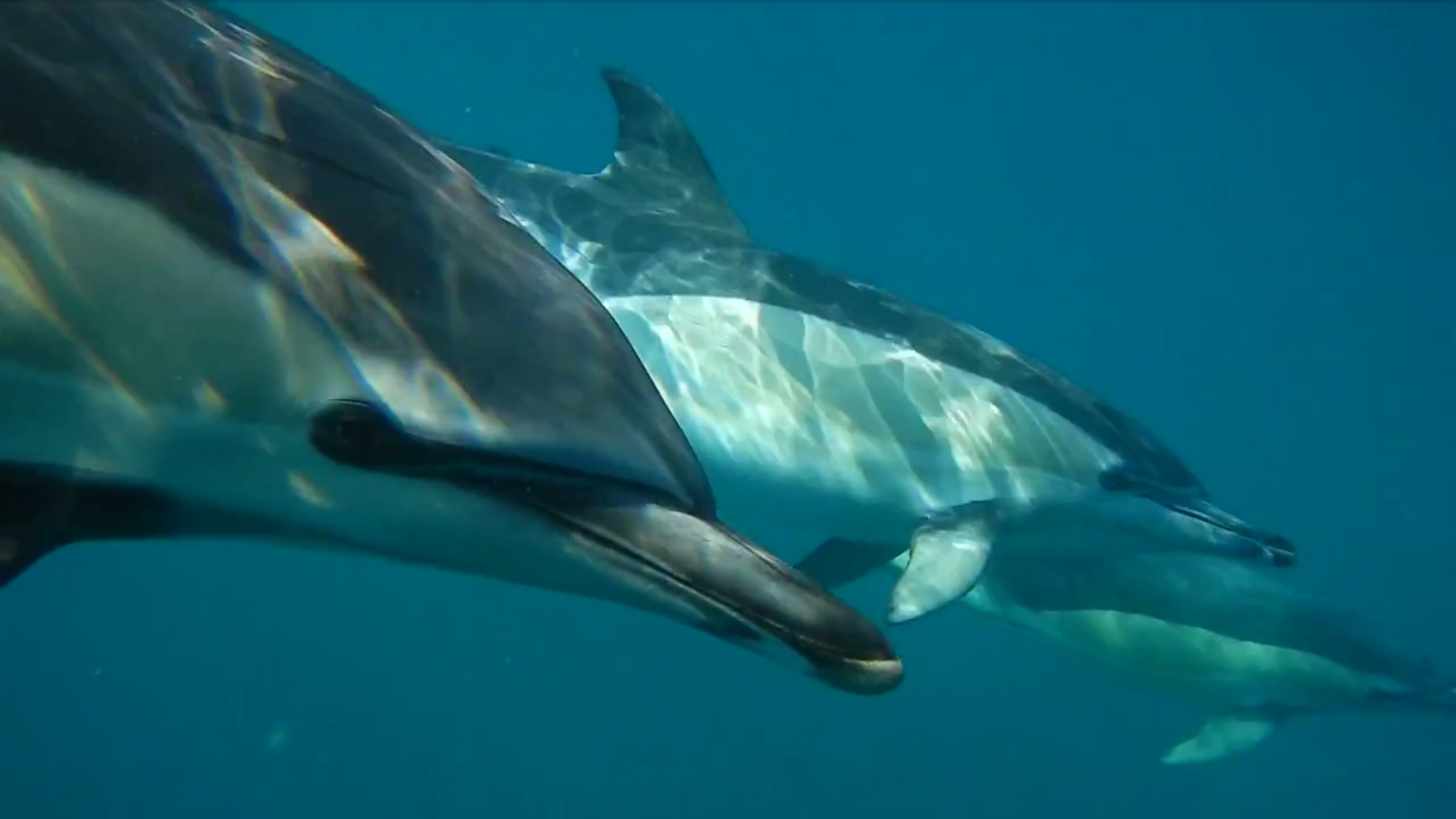
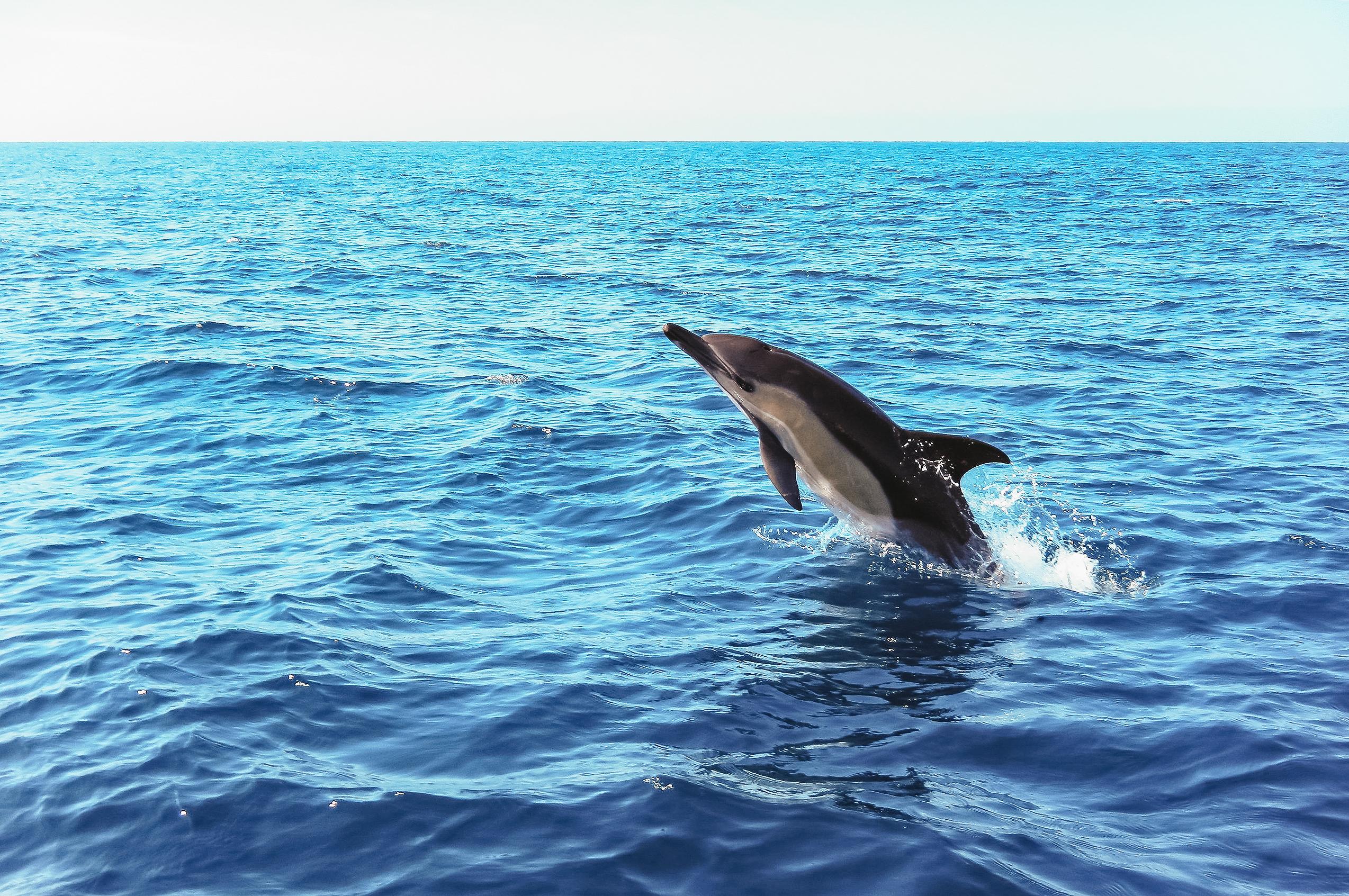
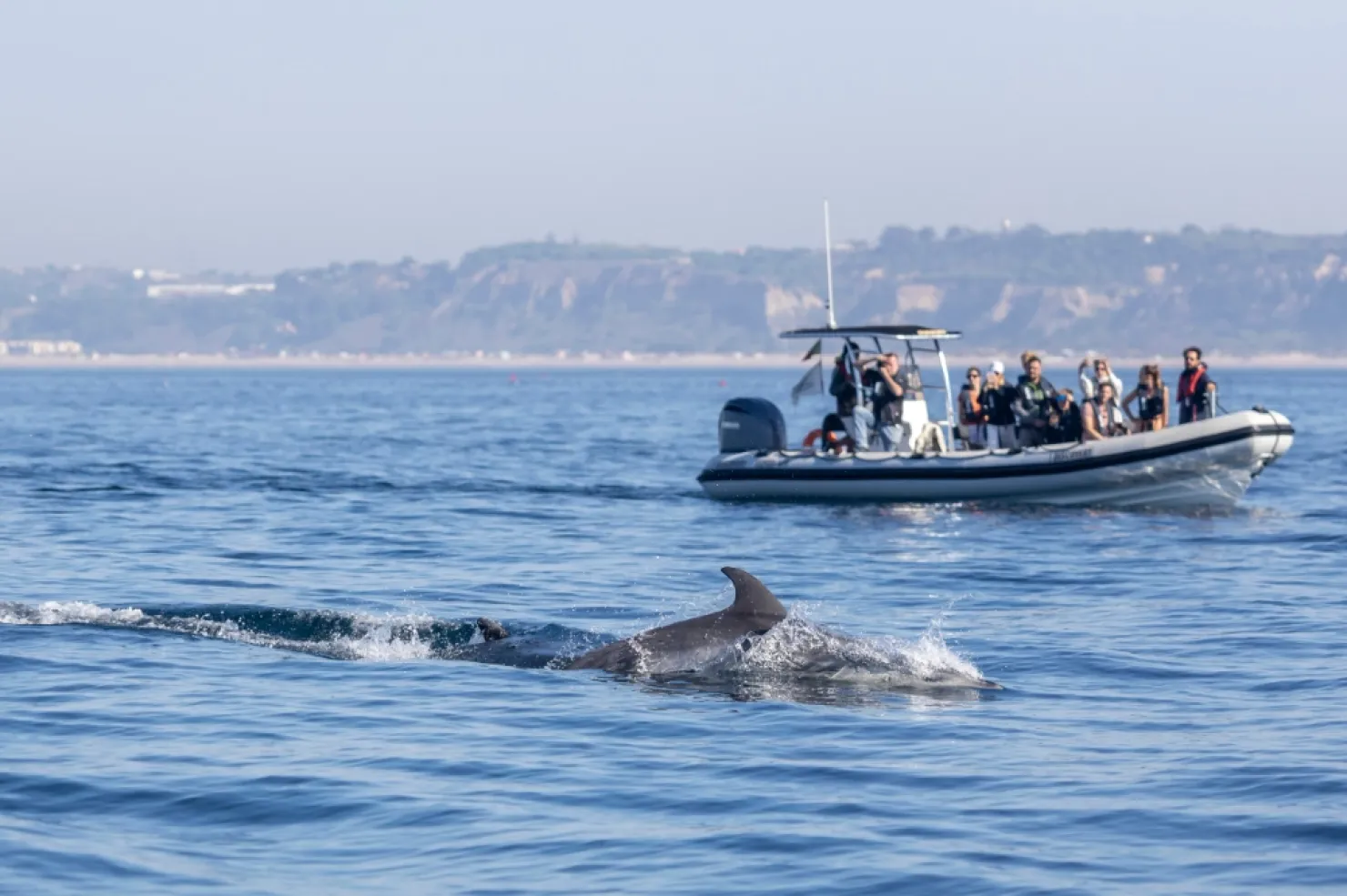
The biologist identifies each animal by dorsal fin shape, pulling up catalog photos on a tablet, and explains the social structure — a mother, her juvenile offspring, and a young male. You watch the animals dive in synchronized arcs, the hydrophone broadcasting their echolocation clicks through deck speakers. The boat drifts; the dolphins circle back, investigating the hull, and the group photographs their approaches while the biologist records GPS coordinates.
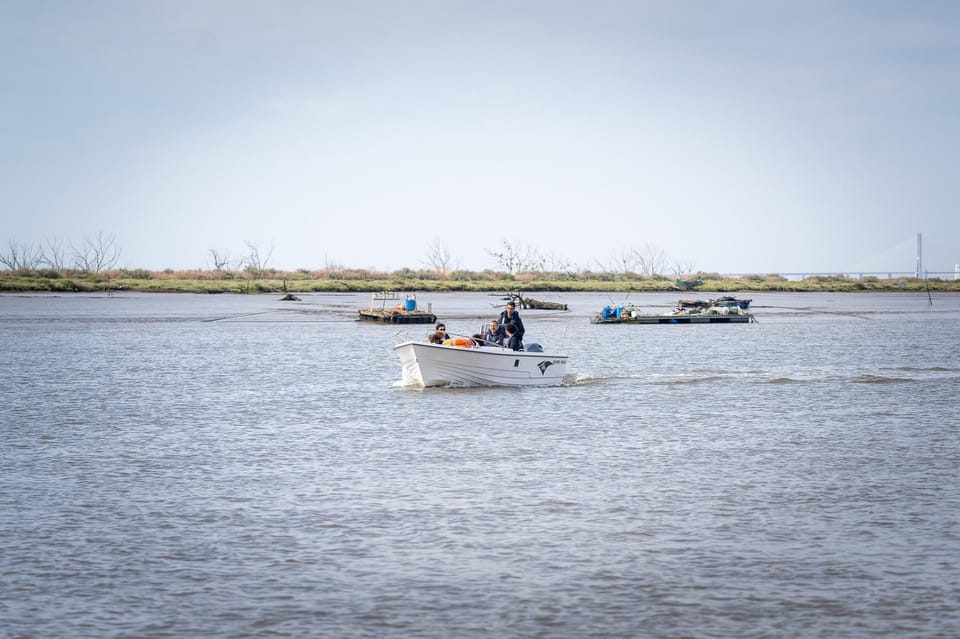
Farther downriver, near the Ponte 25 de Abril, the guide points out cormorants and egrets roosting on navigation buoys, part of the estuary's broader avian population. The return leg hugs the southern shore, where the biologist discusses prey availability and the dolphins' shift from open-ocean hunting to estuarine foraging, a behavioral adaptation still under study.
All the details about your upcoming adventure in one place
The Tagus estuary shelters a year-round population of common bottlenose dolphins — roughly 30 individuals — that have adapted to brackish water and heavy river traffic, a behavioral anomaly studied by Portuguese marine researchers since the late 1990s.
These dolphins navigate shipping lanes, hunt mullet in shallow channels, and exhibit feeding strategies rarely documented in estuarine environments. Lisbon dolphin watching with marine biologist tours depart from Doca de Santo Amaro, where research vessels double as passenger craft, their decks fitted with hydrophones and photo-identification gear used in ongoing population surveys.
The Atlantic coast beyond Cascais offers encounters with larger offshore pods — striped dolphins, common dolphins, and occasional fin whales during spring and autumn migrations. Marine biologists aboard these tours collect sighting data, record vocalizations, and explain the acoustic signatures that distinguish species before passengers spot dorsal fins. The Tagus population's tolerance of boat proximity allows close observation without harassment; researchers maintain a 50-meter exclusion zone, and captains cut engines when animals approach voluntarily. This protocol, formalized in 2019, reflects a shift from entertainment-focused excursions to citizen-science expeditions where passengers contribute to real datasets.
Lisbon's position at the meeting of river and ocean creates a rare dual habitat. The estuary's nutrient-rich outflow attracts baitfish, which in turn draw dolphins upstream during flood tides. Biologists track these tidal feeding pulses using GPS tags and drone surveys, and tour narratives are grounded in current research rather than folklore. Passengers learn to identify individuals by dorsal notches and scarring patterns, the same techniques used in longitudinal studies. The tours operate year-round, though dolphin activity peaks in spring and early autumn when water temperatures favor prey aggregation. Unlike whale-watching ventures in colder Atlantic waters, these expeditions focus on resident species and the science of adaptation, offering a fieldwork experience rather than a spectacle.

The Tagus population's tolerance of boat proximity allows close observation without harassment; researchers maintain a 50-meter exclusion zone, and captains cut engines when animals approach voluntarily.
Wear comfortable clothing suitable for a boat trip on the Tagus River. Waterproof jackets and trousers are provided on board to ensure comfort during your lisbon dolphin watching with marine biologist tour.
Keep personal belongings to a minimum as space on the boat is limited. All guests must follow safety briefings provided at the start of your lisbon dolphin watching with marine biologist experience.
Photography is encouraged during your lisbon dolphin watching with marine biologist tour, especially when viewing Lisbon landmarks from the water. Ensure your equipment is secure against sea spray.
Children aged 6–12 receive a reduced price of 42 EUR for their lisbon dolphin watching with marine biologist excursion. All minors must be accompanied by an adult during the voyage.
The boat for your lisbon dolphin watching with marine biologist excursion is not wheelchair accessible. Please contact the operator regarding specific mobility concerns before booking your lisbon dolphin watching with marine biologist tickets.
Complimentary water is provided during the tour. No external food is permitted on the vessel during your lisbon dolphin watching with marine biologist adventure.
Opening Hours
Fri–Sun: 09:15–17:00
Address
Terra Incógnita, Doca de Santo Amaro, Armazém 17, 1350-353 Lisboa, Portugal
Accessibility
Vessel access requires limited mobility assessment
Arrival
09:15–14:00 daily
Storage
Limited space for personal bags
Navigation
Use Doca de Santo Amaro, Armazém 17 entrance
Full refunds are available for cancellations made at least 24 hours before the scheduled departure time. Terra Incógnita reserves the right to charge 100% of the tour fee for no-shows.
Recommended time
3-4 hours
A lisbon dolphin watching with marine biologist experience typically requires three hours on the water plus additional time for check-in at the Tagus River docks. Selecting a morning slot within the 09:15–14:00 window helps avoid peak afternoon congestion near the port. These lisbon dolphin watching with marine biologist tours allow enough flexibility to combine your wildlife encounter with broader explorations of nearby Lisbon landmarks. Securing your lisbon dolphin watching with marine biologist tickets well in advance ensures a smooth boarding process for this coastal expedition.
Crowd levels through the day
The Tagus estuary has sheltered bottlenose dolphins for millennia, but systematic observation began only in the 1980s when Portuguese marine researchers documented resident pods near the Tróia peninsula. The Instituto da Conservação da Natureza launched the first acoustic surveys in 1987, tracking seasonal patterns as cargo traffic intensified. By the mid-1990s, collision incidents and chemical runoff threatened the population. Lisbon's municipal government designated protected corridors in 1998, restricting commercial vessel speeds within key feeding zones. Commercial dolphin watching with marine biologist expertise emerged in the early 2000s, modeled on Atlantic programs from the Azores. Terra Incógnita, operating from Doca de Santo Amaro since 2004, pioneered the biologist-guided format in Lisbon. Early tours faced criticism from conservationists who feared habituation and stress to wild populations. The company adopted strict approach protocols in 2006, maintaining minimum distances and limiting engine noise. Independent audits in 2009 confirmed negligible behavioral disruption when guidelines were followed. The 2010 Costa Concordia disaster accelerated regulatory reform across European waters. Portugal's maritime authority imposed mandatory naturalist credentials for all cetacean tour operators in 2012. Lisbon dolphin watching with marine biologist tours became the legal standard, not a premium option. Hydrophone technology introduced in 2015 allowed real-time echolocation monitoring, transforming the educational component. The resident Tagus pod, tracked since 2003, now numbers approximately forty individuals. Genetic studies published in 2021 confirmed stable breeding and minimal genetic drift, validating the low-impact model. Today's tours operate under the 2018 Marine Wildlife Code, which caps daily departures and mandates passive observation protocols during calving season.
Instituto da Conservação da Natureza conducts first systematic acoustic surveys of Tagus dolphin populations.
Lisbon designates protected marine corridors with speed restrictions to reduce vessel collisions.
Terra Incógnita begins operating biologist-led dolphin tours from Doca de Santo Amaro.
Company adopts strict approach protocols after conservation criticism over habituation risks.
Portugal mandates naturalist credentials for all cetacean tour operators following EU maritime reforms.
Hydrophone technology enables real-time echolocation monitoring during tours.
Marine Wildlife Code caps daily departures and enforces passive observation during calving periods.
Genetic studies confirm stable breeding in the forty-member resident Tagus pod.
Stand at the edge of the wooden walkway to capture the harbor silhouette against the Tagus River. This is where you begin your lisbon dolphin watching with marine biologist experience.
Position yourself near the water line looking upward to frame the bridge structure with a passing catamaran. This provides a distinct angle for your lisbon dolphin watching with marine biologist tours portfolio.
Capture the historical stone fortress from the deck of the vessel as it sails toward the Atlantic. This location provides a high-contrast backdrop for your lisbon dolphin watching with marine biologist tickets documentation.
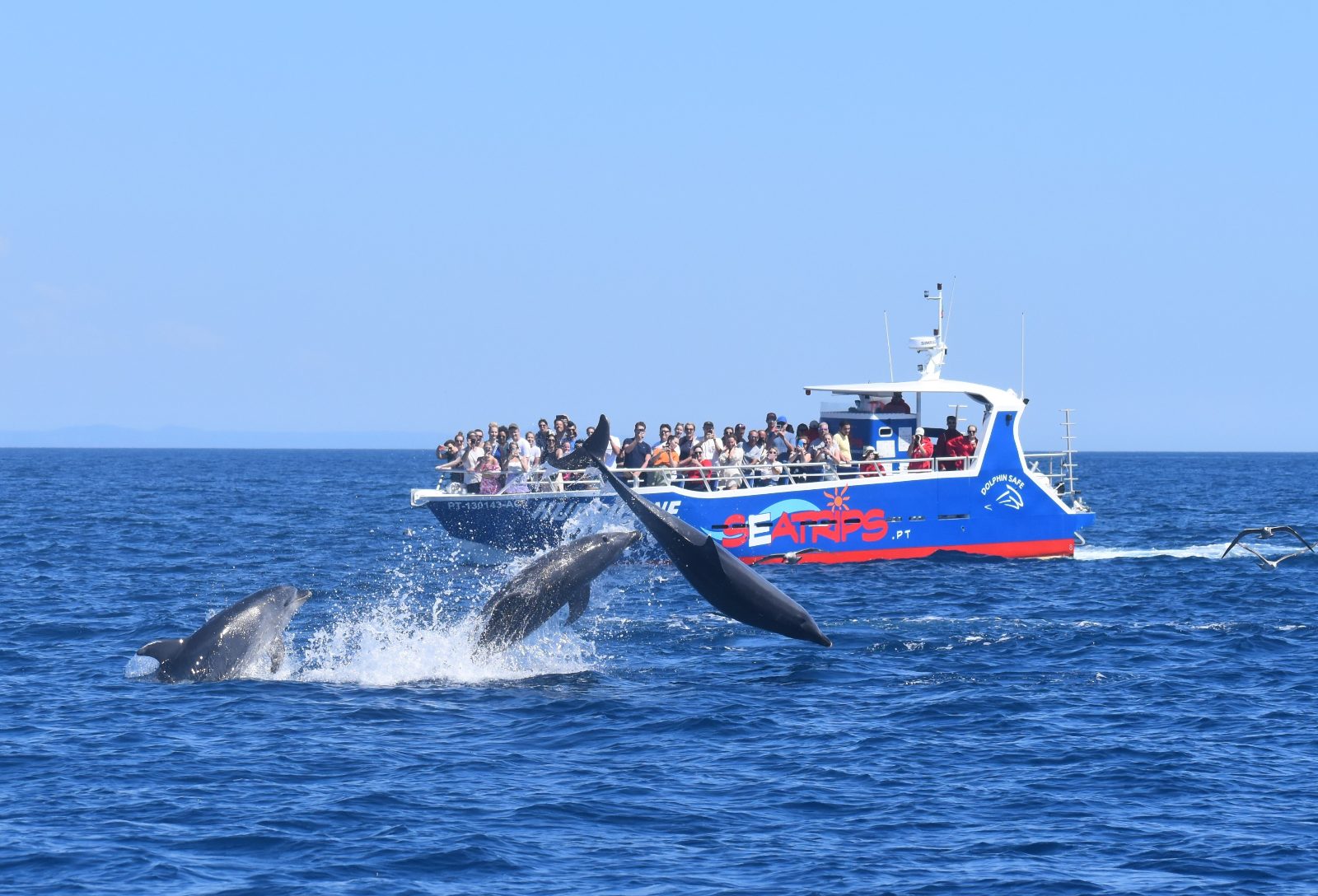
Focus on the water surface and the bow of the boat to highlight wildlife activity during your lisbon dolphin watching with marine biologist tour. A long lens is helpful here to isolate cetacean sightings from the open water.
Embarking on a lisbon dolphin watching with marine biologist experience provides a unique opportunity for young nature enthusiasts to observe wildlife in their natural habitat. Parents will find that the educational component of this Tagus River maritime excursion helps keep children engaged throughout the journey.
The tour is suitable for children aged 6 and older, with a child rate of 42 EUR available for those between 6-12 years.
Since every lisbon dolphin watching with marine biologist tour is led by an expert, children can ask questions about the ecosystem and cetacean behavior.
The vessels navigate the Tagus River, but parents should prepare for sea conditions by ensuring children have proper layers for the wind.
Because space on these lisbon dolphin watching with marine biologist tickets is limited, families should secure their spots at least 24 hours in advance.
This specialized Tagus River wildlife excursion does not feature specialized facilities for infants, making it best suited for school-aged children who can sit for the duration of the trip.
Doca de Santo Amaro offers a convenient selection of waterfront eateries perfect for refueling after your lisbon dolphin watching with marine biologist excursion. Many restaurants line the docks of the Tagus River, providing easy access for those holding lisbon dolphin watching with marine biologist tickets.
Located directly at the departure point, this spot offers fresh seafood and light salads ideal for a post-tour meal. It is a popular choice for groups looking to discuss their marine wildlife sightings while watching boats on the river.;Can the Docas
Everything you need to know for your journey
Adult tickets (13+) are 52 EUR, while children aged 6–12 are 42 EUR per person.
Yes, children are welcome, and the lisbon dolphin watching with marine biologist tour is designed to be educational for all ages.
You should arrive between 09:15 and 14:00, ideally 15 minutes before your scheduled departure.
You can easily walk to the nearby MAAT museum or the 25 de Abril Bridge after your lisbon dolphin watching with marine biologist tour.
Yes, you can receive a full refund if you cancel at least 24 hours before your scheduled lisbon dolphin watching with marine biologist departure.
Yes, a marine biologist accompanies every lisbon dolphin watching with marine biologist tour to provide expert commentary.
While sightings are highly frequent, nature is unpredictable; your lisbon dolphin watching with marine biologist tour supports ongoing ocean research regardless.
The Terra Incógnita meeting point is at Doca de Santo Amaro, Armazém 17, reachable by train to Alcântara-Mar station.
Yes, you are welcome to capture photos of the dolphins and city landmarks during your lisbon dolphin watching with marine biologist outing.
Join thousands of happy travelers who have discovered this incredible experience
Book Your Experience Now